GAIO-ORAMA
Mineral Raw Materials
Digital Culture and Circular Economy
Objective
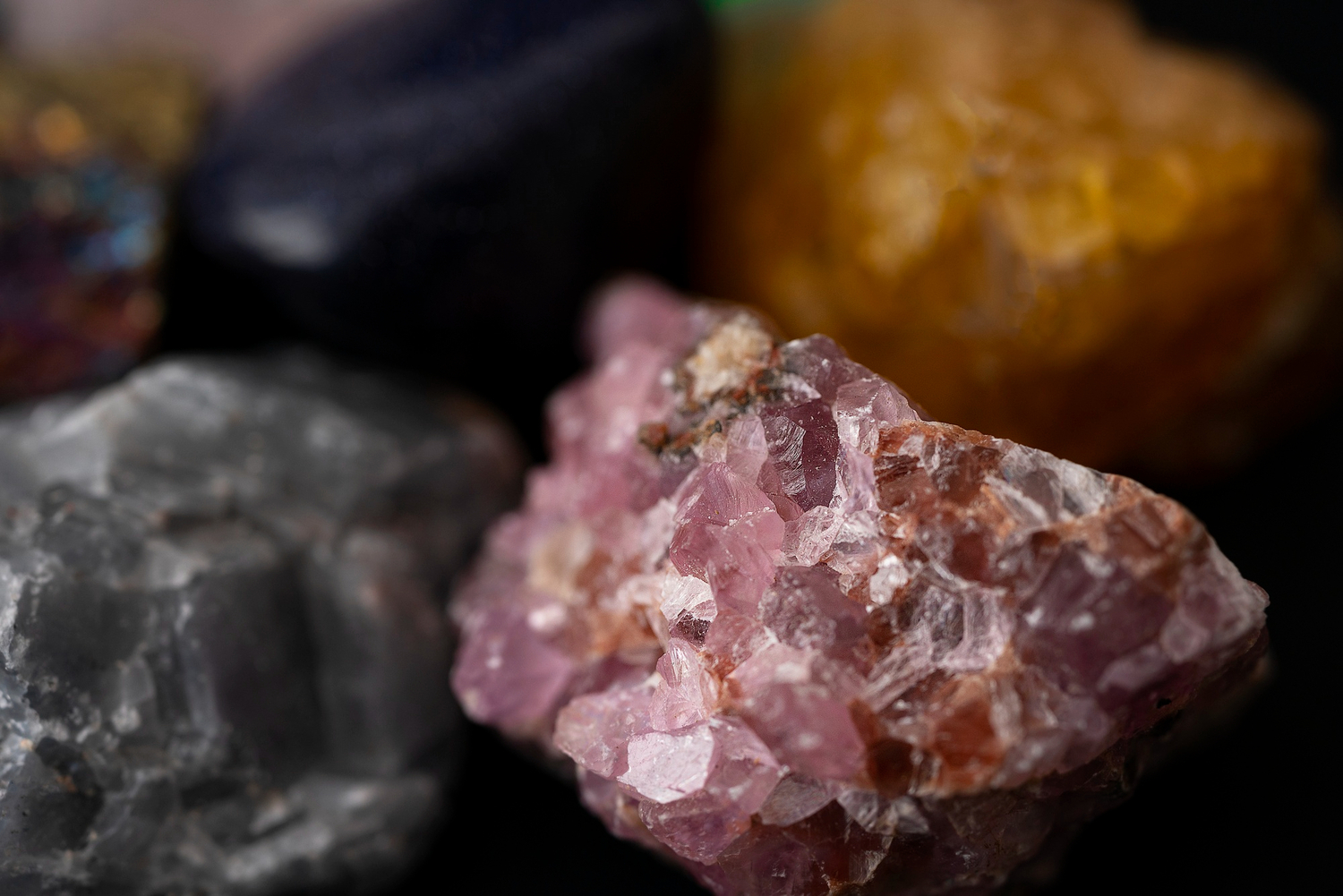
The goal of 3DRETURN is to develop audio-visual media designed to engage and educate children and individuals with disabilities about Greece's mineral resources. This includes exploring topics such as mineral extraction, utilization, and recycling of mineral raw materials. The project is based on the rich collection of mineral raw materials (from Greece and all over the world) owned by the Mineralogical Museum "gaio-ORAMA" of the School of Mining and Metallurgical Engineering of the National Technical University of Athens and the experience of its staff in informing about minerals raw matetials, but also to partners InDigital and MONOLITHOS, who have experience in digitalization and mineral raw materials' management related to automotive catalysts, respectively.
Scope
The aim of 3DRETURN project is to create a digital copy of the museum with audio-visual content. The implementation of the project will support the operation of the museum and increase its popularity, while promoting the business actions of the participating companies through the development of partnerships. It is also expected to increase the awareness of the public and children about the role and importance of mineral raw materials in meeting the vital needs of modern society. In addition, the project aims to raise awareness among the public and children about the importance of recycling, the circular economy and the recycling of spent wastes, such as catalysts, for the environment and society.
Key Highlights

Digital presentation
of the showpieces:
Creation of a digital platform that presents all the exhibits of the museum, allowing the user to approach directly.

Virtual reality
application:
Creation of an application that simulates the physical presence of the visitor in all areas of the museum with virtual navigation and the ability to take snapshots.

Interactive training through
a humanoid robot:
Use of a humanoid robot to interactively educate children, providing information and answering questions about mineral raw materials and circular economy.

Informing through
smart devices:
Providing graded information and knowledge to students through the humanoid robot that can interact with smart devices.

Increase of the museum's competitiveness:
The aim is to increase the competitiveness of the Mineralogical Museum and to attract funding from national and European Research Programs.

